
Sustainable Living on the Mountain
Over the past few years, sustainability has become an intentional part of life at One Day. Some of that looks like the sewing training centre, where women are learning skills that can generate income and strengthen households. Some of it looks like the small village shop we have begun, creating local access to everyday goods. These are important pieces of the picture.
But much of sustainability is simpler than that. It looks like soil under fingernails, vegetables growing beside the house and learning to care for animals because that is how life works in Ha Lebesa.
Growing What We Eat
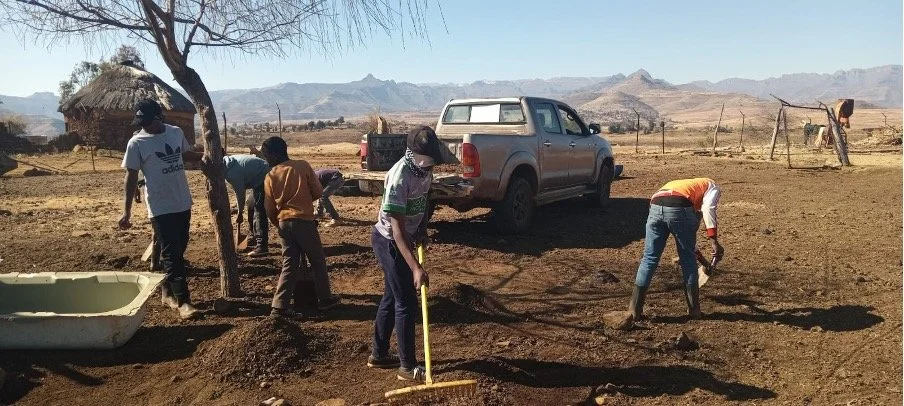
If you walk through the village on any day, you will see people tending animals, working in fields, planting vegetables, and carrying produce home. Chickens roam freely. Cows and sheep are guided across the hills by shepherds. Small garden plots sit beside nearly every house. This is daily life in the mountains. We want our children to grow up knowing how to live well within that life.
Over the past year, we have expanded our vegetable gardens. Children take part in digging, planting, watering, and harvesting. They learn when crops should go into the ground and how long they take to grow. They learn that food requires patience and care. This may not generate income, but it reduces our food costs and strengthens our resilience. It also teaches practical skills that many of our children will rely on as adults. There is something grounding about carrying vegetables from the garden to the kitchen. It connects effort with provision.
Learning to Care for Animals
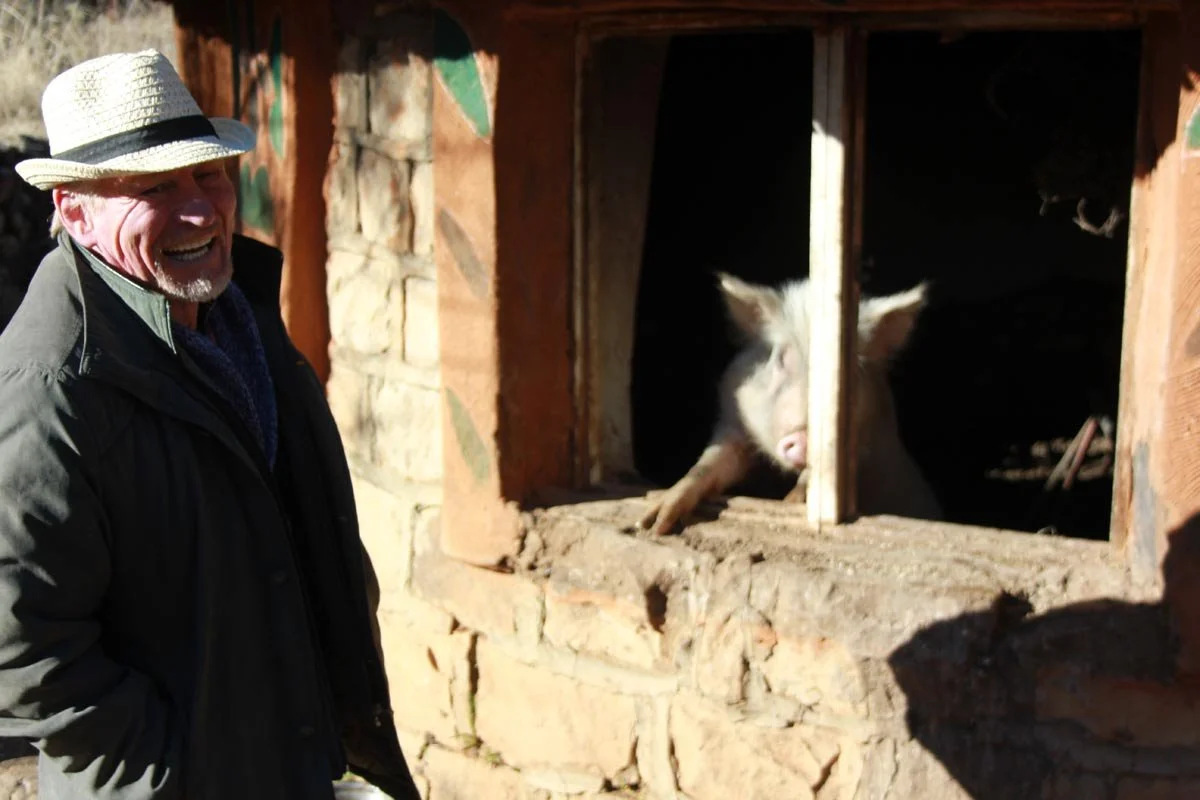
We have also begun developing a small pigs project. We started by partnering with a local family to build an enclosure and raise pigs as an initial step. As piglets are born, some will be brought to One Day so our children can learn to care for them directly.
Animal care is part of daily life in the mountains. Shepherds guide sheep and cows across the hills. Chickens roam freely. Livestock is not unusual here. It is normal. Teaching children how to feed animals, clean enclosures, and maintain consistency is part of preparing them for adulthood in this context. Animals cannot be ignored. They must be cared for daily. That responsibility builds discipline and awareness. It also contributes practically to food security over time.
Skills That Strengthen Futures
Alongside gardening and livestock, the sewing training centre continues to equip women from the village with practical vocational skills. Producing garments locally strengthens income potential and builds confidence. The village shop similarly plays a role in strengthening local access to goods and creating small-scale enterprise opportunities.
Each of these initiatives is different in scale. Some generate income. Some reduce costs. Some simply build capacity. Together, they reflect a commitment to living in a way that makes sense on the mountain.
Living Like the Village Lives
We do not want One Day to function as a separate world. Our children grow up surrounded by a community where tending land and caring for animals is part of everyday existence. It would not serve them well to be removed from that reality.
Sustainability for us means alignment. It means our homes reflect the rhythms of the place we live. Stewardship matters. Tending land, caring for animals, and using resources wisely are not just practical tasks. They are expressions of responsibility and gratitude.
Support from abroad remains important and deeply appreciated. At the same time, teaching children how to grow food, develop skills, and participate in enterprise builds something lasting. On the mountain, sustainability does not always look impressive. Often, it looks simple: Seeds planted, animals fed, skills learned. Over time, those simple things build resilient lives.
