
Water on the Mountain: When a Village Dug for Its Future
When we first arrived on our site in Ha Lebesa, before any buildings were constructed, the only thing that stood in the corner of the land was a broken borehole. It was a quiet but powerful symbol of a wider issue. Water was going to matter.
Over the years, water has shaped daily life on the mountain in ways that many people in Ireland would struggle to imagine. There have been seasons where we have had to truck water up the mountain from other villages. At times we have driven long distances to fill barrels. Even within the village itself, most families collect water from a river or from a spring halfway down the mountain. A common sight is women and children walking steep paths with heavy buckets balanced carefully, making multiple trips each day for cooking, washing, and cleaning.
An old water system had once been attempted in the village but never functioned properly. The need for a sustainable solution was clear.
This borehole was the only thing that existed on our site when we first arrived, and was our main source of water for many years.
A Community Conversation
The turning point began with a conversation.
Ntate Brown, pastor of Liberty church in HaLebesa and a leader within the One Day project, helped organise a community meeting to explore what might be possible. Villagers identified a spring in the valley below that flowed consistently but had never been harnessed properly.
The challenge was obvious. How do you get water from a spring at the bottom of the valley up to homes scattered across the mountain?
Through discussion and brainstorming, a plan began to take shape. A tank could be constructed below the spring to collect water naturally. From there, a pump system could move the water uphill to larger storage tanks positioned at higher points in the village. Gravity would then feed standing taps placed strategically throughout Ha Lebesa.
It sounded ambitious. Chris Dillon, who had practical building experience and a strong belief that it could be done, helped shape the technical side of the idea. The vision grew clearer. The scale remained daunting.
Partnership in Practice
A partnership model was proposed. One Day would provide the building materials. The community would provide the labour.
There was understandable scepticism. Some villagers had heard similar discussions before. Plans had been talked about that never materialised. Trust had to be rebuilt. Then came the morning the digging began.
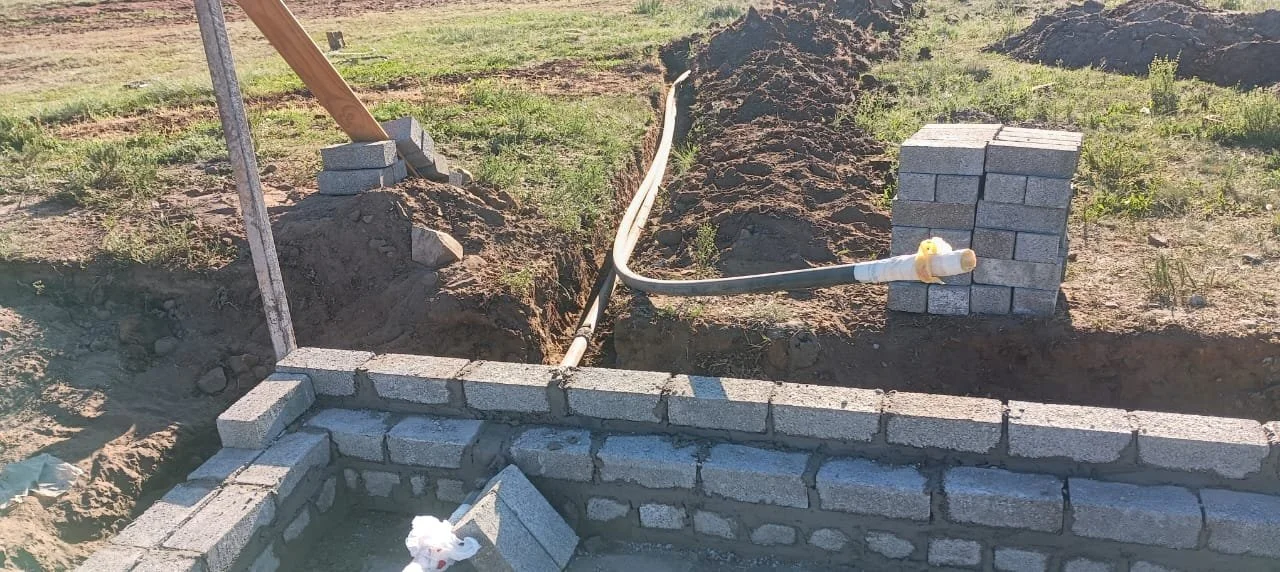
The trench for the pipeline would need to stretch from the valley spring up the mountain to where the tanks would stand. It required days of physical labour with pickaxes and shovels. At first light, villagers began to arrive. Young men. Older men. Women. Even retired members of the community came carrying whatever tools they owned. No one was assigned. They simply showed up.
That day marked a shift. The trench grew steadily. Soil was moved metre by metre. What had been an idea became visible progress.


Turning on the Water
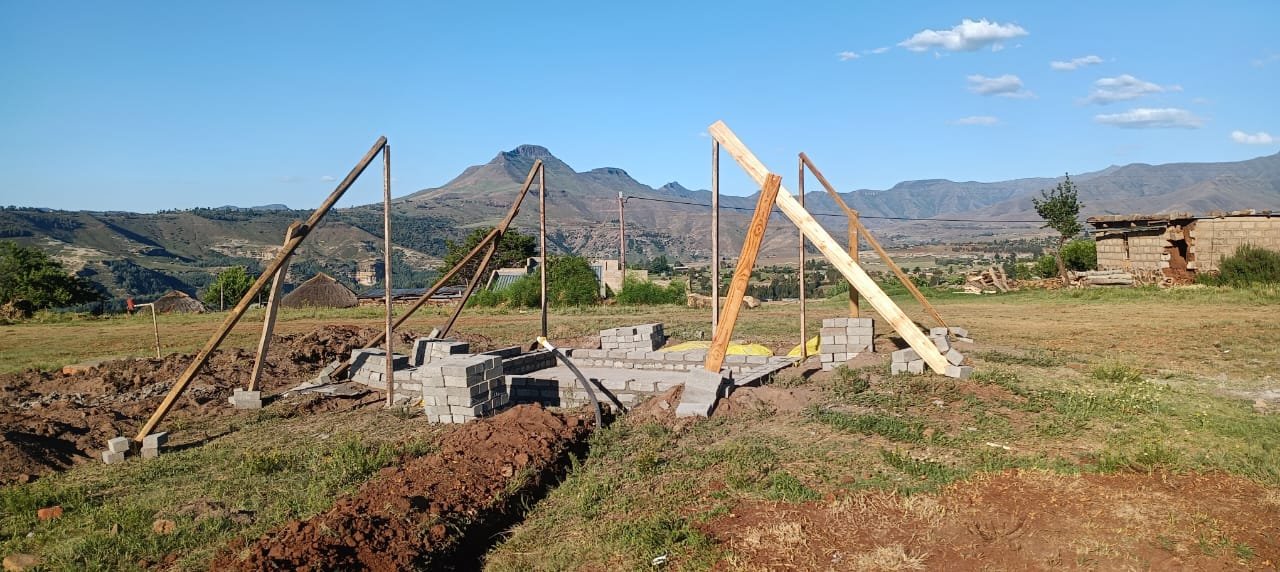
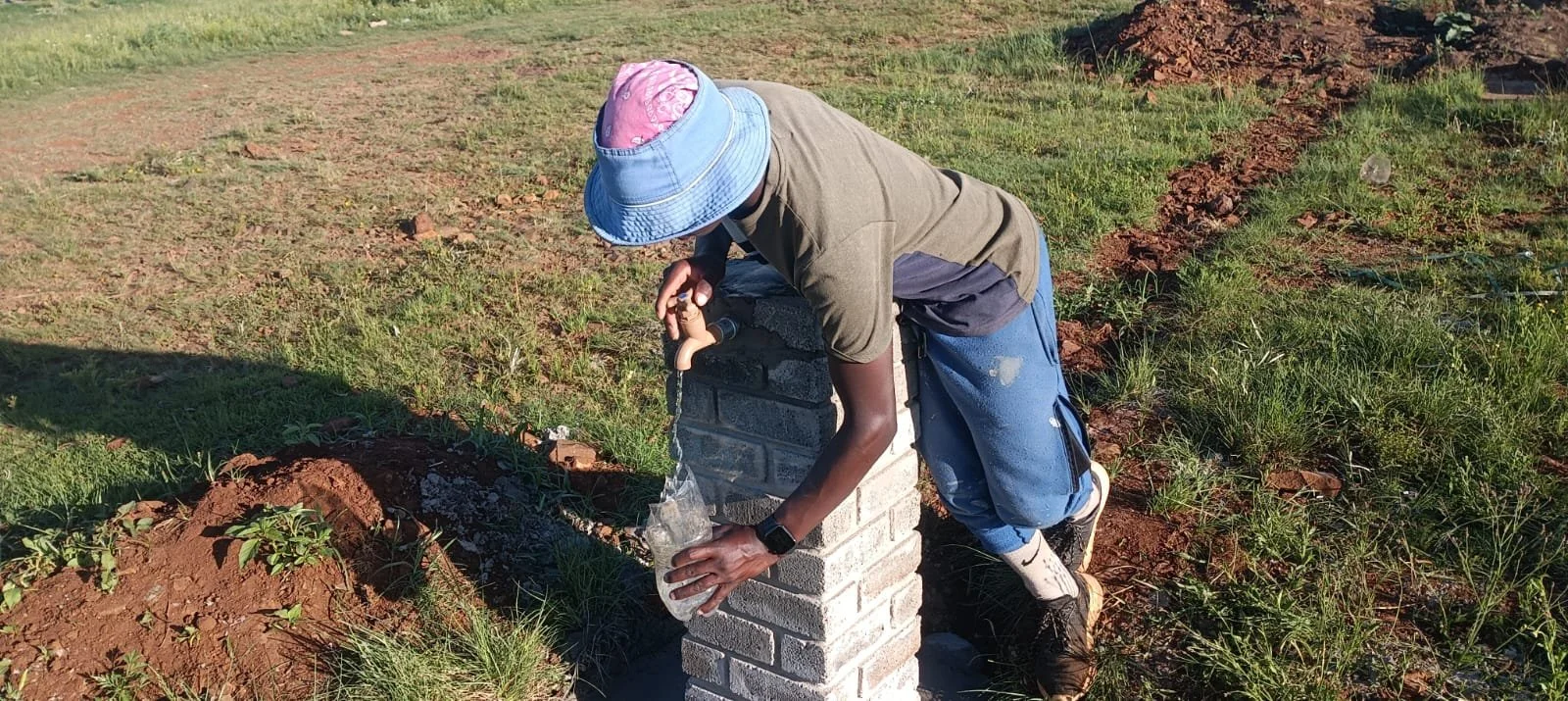
The tank below the spring was constructed to fill naturally and overflow safely. Pipes were laid carefully along the trench. Tanks were built at the top of the mountain. Standing taps were installed throughout the village.
When the system was finally operational and water flowed through the taps for the first time, the sense of achievement was tangible. This was infrastructure built through shared effort.
Instead of long, steep journeys to the river or spring, families could now collect water from taps positioned within the village. Exposure to unsafe routes reduced. Time was reclaimed. Physical strain lessened.
Water affects everything. Hygiene improves. Cooking becomes simpler. Children can spend more time in school rather than fetching water. The dignity of daily life strengthens quietly.
A Model of Sustainable Growth
This project reflects something important about how we approach development. One Day played a part, but only a part. The idea emerged locally. The labour was communal. The materials were provided through partnership. Leadership came from within the village as well as alongside it.
The result was not dependency. It was ownership. The water system stands as a model for what sustainable growth can look like when community, church, and project collaborate. It demonstrates that when people are invited to shape solutions and contribute practically, confidence grows alongside infrastructure. Every time a tap is turned and a bucket is filled within walking distance of home, it testifies to what can happen when a community chooses to dig together for its future.
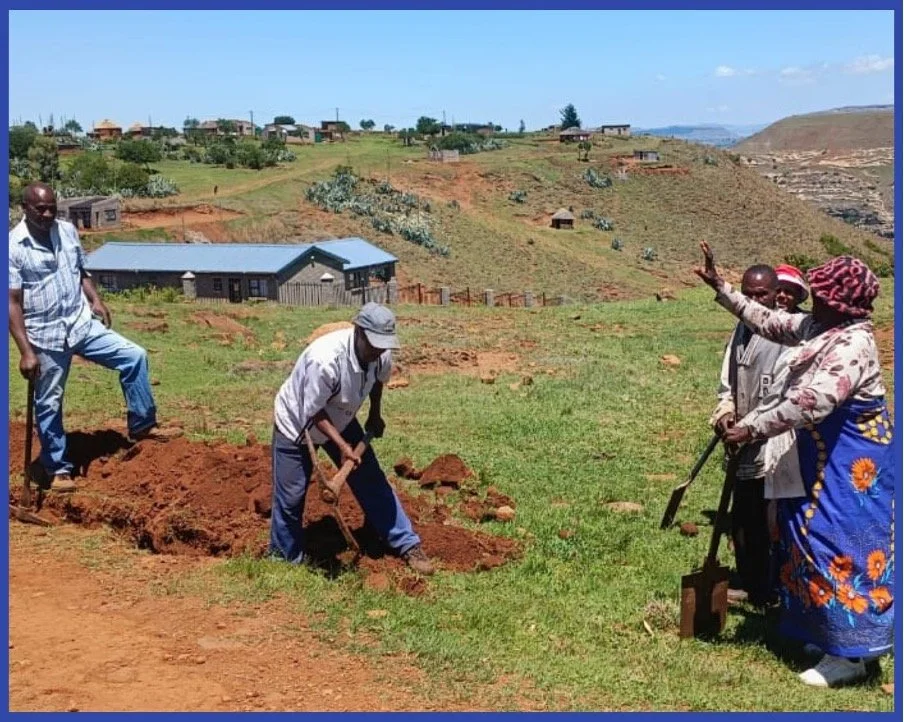
The community of HaLebesa helping with the construction of the water system.
